- Empty cart.
- Continue Shopping

AI Productivity Roadmap for Logistics Industry
Driving Malaysia’s Logistics Sector to a Quantum Leap
Enhance Efficiency, Optimize Operations, and Achieve Global Competitiveness through Smart Digital Adoption.
Industry Overview
The Malaysian Logistics Landscape: A Sector on the Rise
Malaysia’s logistics sector is accelerating digital adoption to stay competitive.
The AI Productivity Roadmap for Logistics Industry guides companies from manual processes to automation, data analytics and AI—supporting the National Transport Policy (2019–2030).
By digitalising key operations, the industry can boost efficiency, reduce delays and enable seamless end-to-end logistics.

Key Achievements
Through early adoption of digital tools and automation, the industry has already recorded strong results:
- Significant productivity gains
Picking speed increased by 240% with ASRS and WMS.
Real-time inventory tracking improved accuracy and faster fulfilment.
- Lower operational cost
Labour costs reduced by 50% with automated workflows.
Better energy and space utilisation in warehouse operations.
- Better customer satisfaction
Faster delivery, fewer errors and more reliable order processing.
Real-time tracking improves transparency for customers.
- Industry-level improvements
Malaysia improved its global Logistics Performance Index from
#44 (2018) to #26 (2023).Implementation of the Container Logistics Ecosystem (CLE) reduced depot congestion and enhanced coordination between logistics players.
Key Challenges


01. Heavy reliance on manual processes
Paper-based workflows create delays, errors and inefficiencies across the supply chain.
02. Infrastructure bottlenecks
Congestion at ports, depots and transport routes affects turnaround time and operational planning.
03. Workforce lacking digital skills
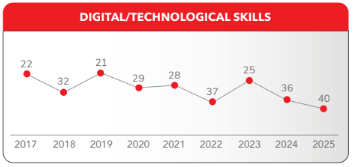
Many companies face skill gaps in areas such as WMS/TMS usage, e-invoicing, IoT systems and AI-driven analytics.
04. Data fragmentation and cybersecurity risks
Systems across the industry operate in silos, making data integration difficult and increasing exposure to security threats.
05. Uneven adoption among SMEs
Systems across the industry operate in silos, making data integration difficult and increasing exposure to security threats.
Previous slide
Next slide
Why Digital Now?
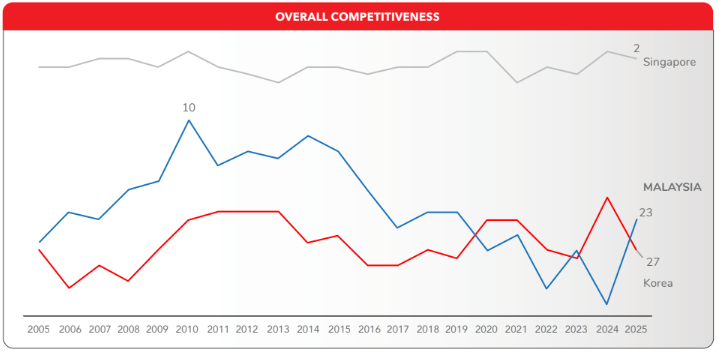
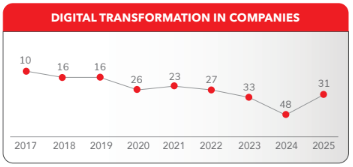
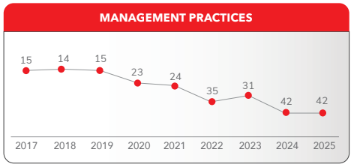
Digitalization is crucial to overcome these limitations, optimize operational efficiency, and enhance Malaysia’s competitiveness in the global logistics market.
Boosting Enterprise Productivity Through Digital Roadmap


Our Solution
Digital Transformation Journey: From Preparatory to Quantum Leap
The roadmap outlines four progressive stages of digital adoption, guiding businesses from basic digital functions to advanced, integrated systems.
Dynamics 1

PREPAROTORY
Focus on fundamental digital management.
- Freight Forwarding
- Billing & E-Invoicing
- Border Facilitation
- Fleet & Fuel
- Store & Inventory
Dynamics 2

GROWING
Integrating core operations
- Transport
- Warehouse Management
- Business Integration
- E-Payment
Dynamics 3

STRENGTHEN
Strengthening logistics capabilities
- Integrated Logistics Gateways
- E-commerce Gateway
- Cold-chain Logistics Operations
- Green Logistics Technologies
Dynamics 4

QUANTUM LEAP
Quantum Leap in logistics Innovation
- Collaborated Logistics Operations
- In-house Systems & Operations Training
- Distributed Ledger Technologies (Block Chain)
- Integrated Data Analytics (Artificial Intelligence)
Digital Transformation Journey – Inventory Management
The Logistic Productivity Roadmap
Basic
Manual Inventory Control
Intermediate
Warehouse Management System (WMS)
Advanced
Automated Storage and Retrieval Systems (ASRS)
Progressive Stages of Digital Adoption in the Logistic Industry
Digital Strategic Implementation Matrix
The matrix helps logistics companies prioritize digital initiatives based on their “Cost of Implementation” versus “Ease of Implementation.”
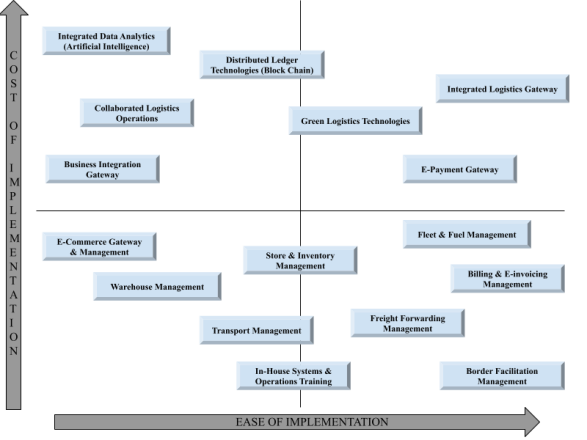
This tool guides businesses to identify “quick wins” (e.g., Border Facilitation, Billing & E-Invoicing) that are easy and low cost, while also planning for more complex, high-impact technologies like AI and Blockchain.
Building a Strong Digitalization Ecosystem
A 5-step framework to strengthen digital transformation by aligning tech solutions with industry needs:
-
01. Digital Pledge (Business Leader/CEO):
Commit to digital transformation and prioritize it in the business strategy.
-
02. Supply (Digital Solution Providers):
Ensure digital solutions are available, affordable, and scalable for businesses.
-
03. Matching Solution (MPC/Business Leader):
Identify and match the right digital solutions to business needs.
-
04. AI Productivity Roadmap (Business Leader/CEO):
Create a clear, actionable plan for integrating digital technologies
-
05. Influence (Business Leader/CEO):
Use proof of concept to drive adoption and build internal capacity for digital transformation.
Real-World Impact: Driving Operational Efficiency
This case study showcases how digital adoption transformed Sime Darby Property Industrial and Logistic Development.
Problems
- Overcapacity in Warehouse
- Inefficiencies and Inventory Errors
Solutions
- Automated Storage and Retrieval Systems (ASRS)
- Digital Inventory Management with Barcode and QR Codes
Value Creation
- Picking throughput increased by 240% (from 236 to 800 items per hour).
- Labor requirements and costs reduced by 50%.
- Fewer errors, faster delivery, improved safety, higher morale, reduced energy consumption.